What usually causes it
- Grease and food residue coating the kitchen drain line
- Hair and soap film building up in bathroom drains
- Tree roots growing into the sewer lateral through joints
- Scale and corrosion narrowing old cast-iron or galvanized drains
- Something flushed that should not have been — wipes, hygiene products, grease
- A sagging section of pipe where debris settles
What you can safely check
- Try a plunger on the affected fixture — it genuinely works on simple, close-in clogs
- Remove and clean the sink trap if you are comfortable doing so, with a bucket underneath
- Check whether other fixtures are affected; that tells you if it is one drain or the main line
- Run hot water in a slow kitchen drain — it can soften light grease, though it will not clear a real blockage
When to call a plumber
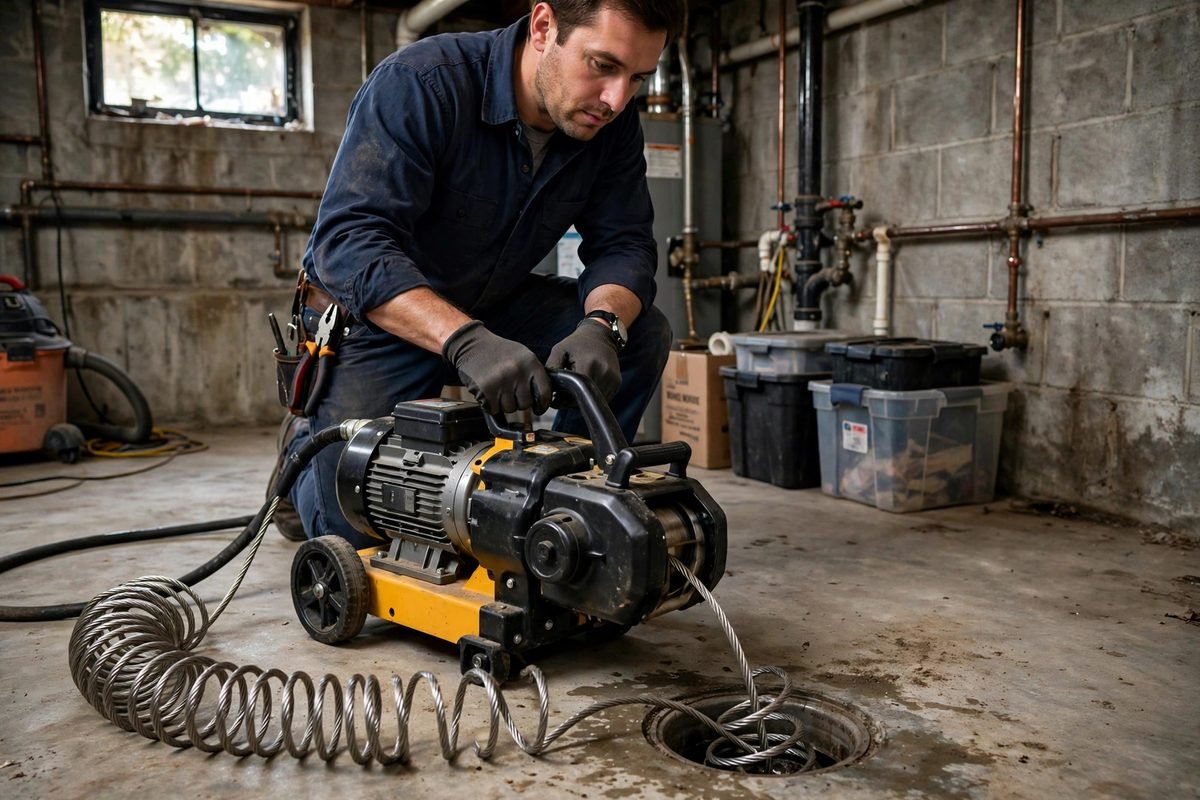
Call a plumber when the plunger fails, when more than one fixture is backing up, when a clog returns within weeks of clearing it, or when you smell sewage. Repeated clogs in the same line are a symptom of something in the pipe — roots, scale, a crack — and professional cleaning plus a camera inspection will find it. Avoid chemical drain cleaners in the meantime: they rarely clear serious clogs and can damage older pipes.
The service that usually handles this: Drain Cleaning. We handle clogged drain calls across White Plains and Westchester County — including White Plains, Scarsdale and Yonkers.
Questions about clogged drain
Why do multiple drains clog at the same time?
They share the main drain line. When the blockage is in the main — often roots or heavy buildup — every fixture that drains into it is affected, and the lowest fixtures (basement tub, floor drain) usually back up first.
Is a slow drain an emergency?
Not usually, but it is a warning. A drain that gets slower month by month is narrowing, and it tends to finish clogging at an inconvenient moment — guests in the house, a holiday weekend. Getting it cleaned while it still drains is cheaper and calmer.