What usually causes it
- Worn cartridge (the most common cause in modern faucets)
- Deteriorated rubber washer or O-ring seals
- Corrosion on the valve seat inside the faucet
- High water pressure wearing seals faster than normal
- Mineral buildup preventing the cartridge from sealing fully
What you can safely check
- Identify the faucet type — single-handle faucets use a cartridge; two-handle faucets use stems with washers or cartridges
- Check whether it is the hot side or cold side dripping, if it is a two-handle faucet
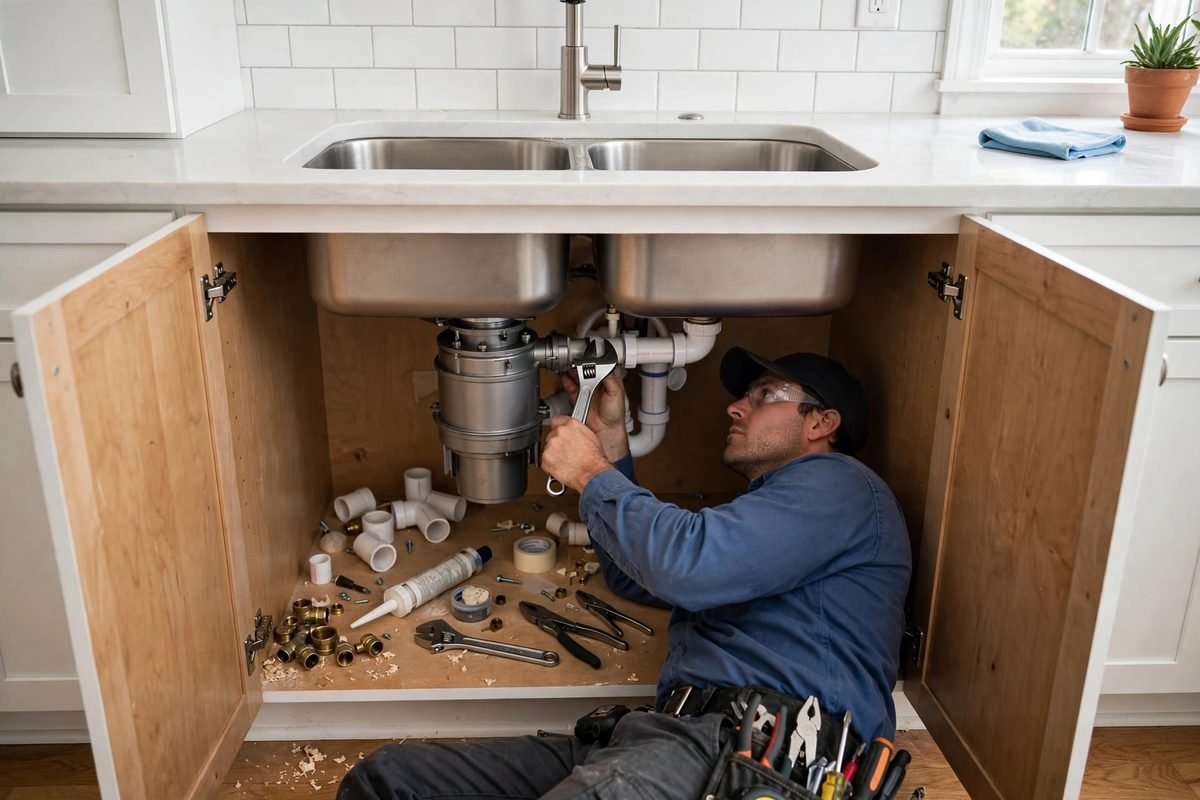
- Look under the sink for shutoff valves and test that they work before starting anything
- Measure your home's water pressure if drips recur across several faucets — high pressure is a house-wide cause
When to call a plumber
Call if the shutoff valves under the sink do not work (a common discovery), if the faucet is corroded or the drip comes from the base of the faucet, or if you would rather not spend a Saturday hunting for the right cartridge. Bring the faucet brand if you know it — parts vary, and the right cartridge the first time is the whole game.
The service that usually handles this: Kitchen Plumbing. We handle dripping faucet calls across White Plains and Westchester County — including White Plains, Scarsdale and Yonkers.
Questions about dripping faucet
Can I just ignore a slow drip?
You can, but it will not stay slow — worn seals erode faster under constant flow, and the drip can groove the valve seat until the faucet itself needs replacing instead of a cartridge. Early is cheap.
Why did several faucets start dripping around the same time?
Often a pressure event or high static pressure in the house wearing every seal at once. If drips seem to be a house-wide pattern, ask us to test the pressure and check the pressure-reducing valve.